
International
LA mayoral rivals to debate homelessness and job losses at forum
Two Democratic candidates for mayor of Los Angeles will appear together at a forum on Tuesday, just days…

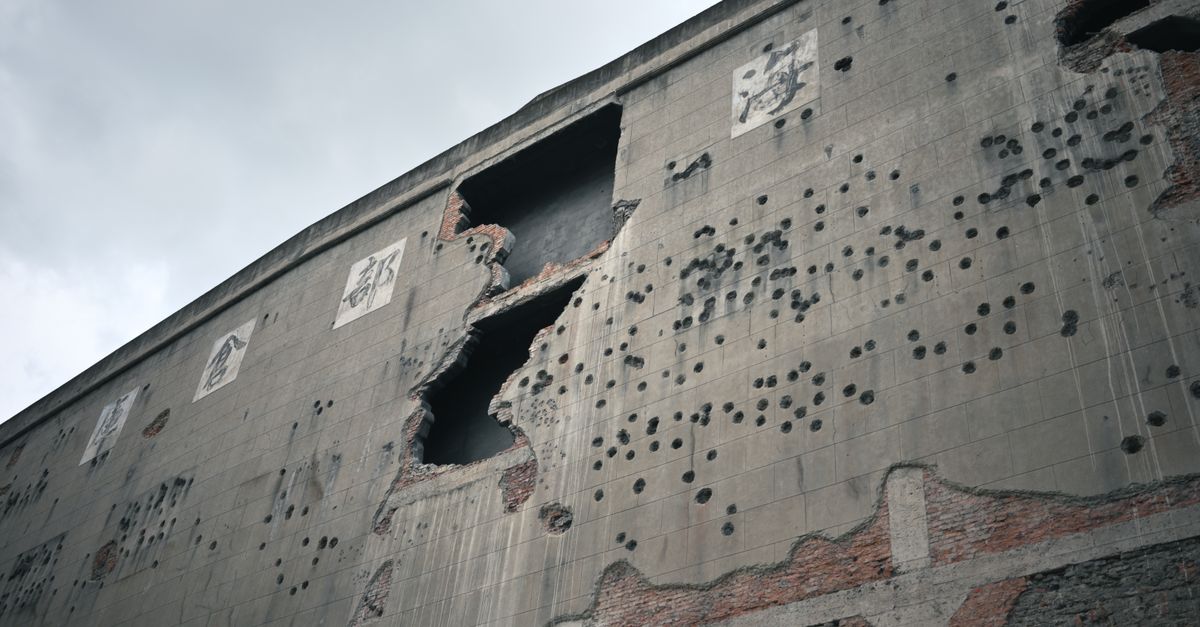
Families in Gaza are living in partially collapsed buildings with no safe alternatives after three years of war.
Masada Abu Jarad, 60, and her family have set up a tent beneath a broken roof in Gaza City’s Palestine Square after the structure partially collapsed, exposing them to the elements. The Palestinian Red Crescent and Civil Defence warned the family to leave, but reconstruction is blocked, leaving them with no other options.
Masada, originally from Beit Lahiya in northern Gaza, returned to the city after earlier displacement but cannot go back to her hometown, which was devastated early in the conflict. She says the cost of renting a safer place is unaffordable.
Her situation mirrors a wider housing crisis: a joint United Nations, World Bank and European Union assessment reported that 371,888 housing units – 76.6 % of Gaza’s stock – were destroyed or damaged as of October 2025, and rebuilding will require over €71 billion in the next decade.
The danger of the deteriorating housing stock was highlighted on 16 September when a six‑storey war‑damaged residential block collapsed, killing 21 people, including 12 children, according to the UN and Gaza Civil Defence.
Abdullah Abu Hajar, 40, lives with his wife and five children in the al‑Najma building in Gaza City’s Remal neighbourhood, a severely damaged six‑storey structure that municipal notices label unsafe. About 17 families, roughly 50‑60 people, remain there, enduring sleepless nights listening for any sign of further collapse.
Abdullah, displaced from Beit Hanoon, says his relatives also wander between north and south Gaza seeking shelter, but find nowhere safe to stay.
Source: Al Jazeera. Photo: Zhengyang TIAN / Pexels.
Two Democratic candidates for mayor of Los Angeles will appear together at a forum on Tuesday, just days…

Federal prosecutors in the United States have charged Wilber Rafael Garcés Pérez, a 28‑year‑old Venezuelan delivery driver, with…

The US Supreme Court has ruled that the government may temporarily resume deporting individuals to third countries. Human…

An additional ambulance will run seven days a week on the 10 pm‑10 am shift in Kilrush and Ennistymon, the…

A new study covering more than 25 years reports that older adults in Limerick, Clare and Tipperary are…

McDonald’s on Pearse Road in Letterkenny hosted the first annual McHappy Day in over ten years on Saturday,…
Clare County Council will join a working group to explore a scheme that would allow members of the…