Health
Clare County Council to join working group on library blood pressure monitor loan scheme
Clare County Council will join a working group to explore a scheme that would allow members of the…

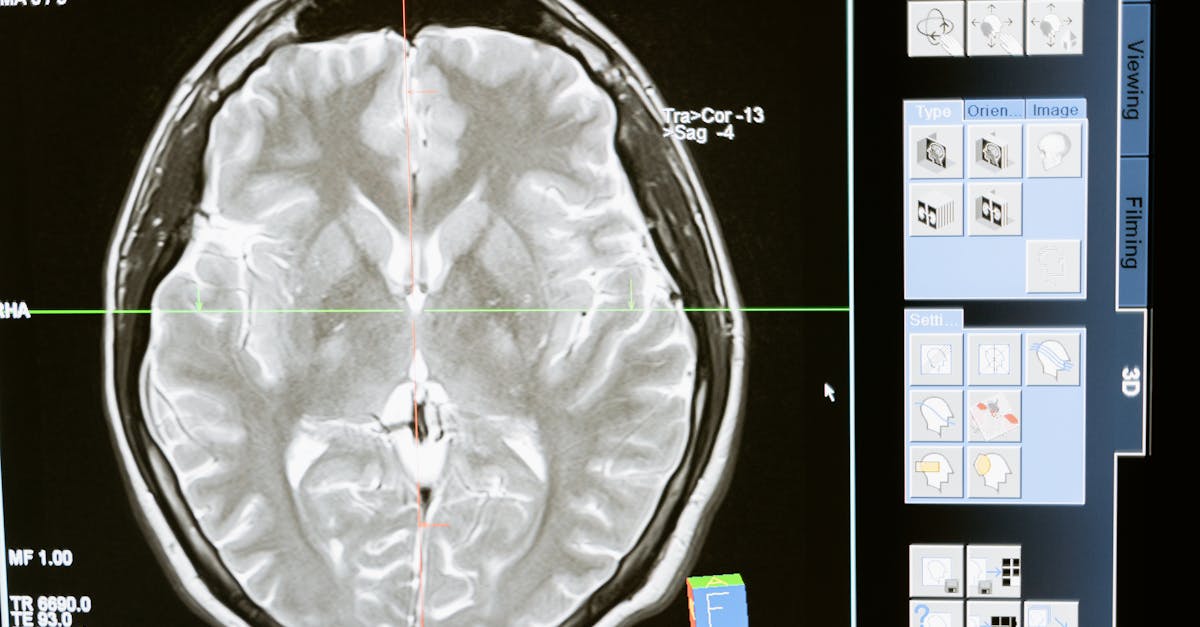
Scientists are investigating whether non‑invasive brain stimulation can accelerate the acquisition of new physical and mental skills.
Methods such as weak electrical currents applied via scalp electrodes, magnetic field stimulation and focused ultrasound aim to temporarily modify neural activity without surgery. If these approaches can boost neuroplasticity – the brain’s capacity to reorganise connections – they may benefit areas ranging from sport and music to surgery and language learning.
Experiments often involve participants practising a motor task, like a finger‑movement sequence, while receiving stimulation over brain regions that control movement. Some studies have reported faster learning or longer retention, whereas others have found no benefit, highlighting inconsistent results.
Researchers attribute mixed outcomes to the lack of a single “learning network” in the brain; different skills engage varied surface and deep structures, and individual factors such as age, anatomy, genetics and skill level can affect responsiveness. Advances in neuroimaging and computational modelling now allow more precise targeting of specific circuits, and newer technologies like focused ultrasound can reach deeper brain areas.
While the potential for enhancing motor learning and aiding recovery after injury or disease remains promising, translating these findings into reliable, widely‑available tools continues to be a major challenge.
Source: Silicon Republic. Photo: MART PRODUCTION / Pexels.
Clare County Council will join a working group to explore a scheme that would allow members of the…

A new social‑farming programme for people with young‑onset or early‑stage dementia has been opened in Limerick. The initiative,…

Open water swimmer Rea Doherty of Ballybofey, together with Derry‑born Garvan McCann, have become the first man and…

McDonald’s on Pearse Road in Letterkenny hosted the first annual McHappy Day in over ten years on Saturday,…

Limerick’s senior camogie championship final will be contested by first‑time finalists Bruff and four‑in‑a‑row seeking Newcastle West on…

Two Democratic candidates for mayor of Los Angeles will appear together at a forum on Tuesday, just days…
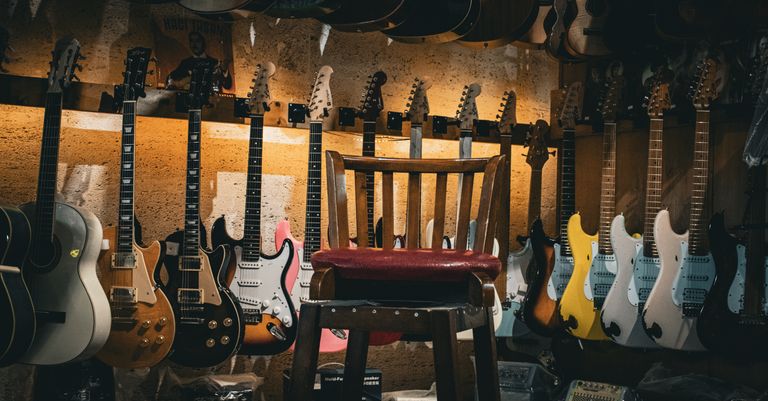
Sheena Crowley says Crowleys Music Centre, now at 1 Friar Street, remains a hub for Cork’s music community,…