International
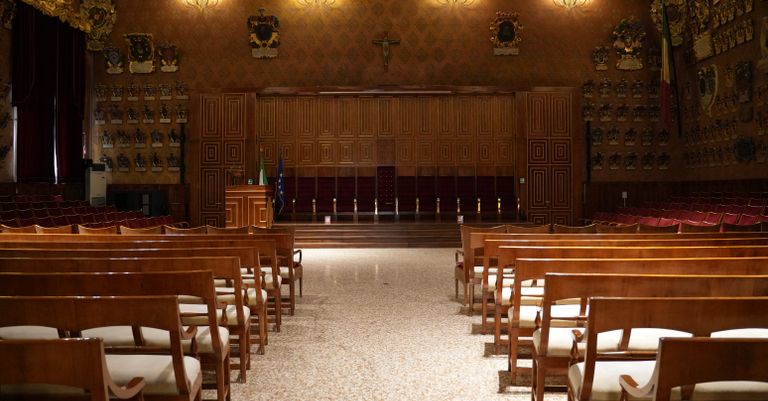
G20 foreign ministers scrap group photo over Lavrov protest
European diplomats refused to pose for the scheduled “family photo” with Russia’s Foreign Minister Sergei Lavrov at the G20…

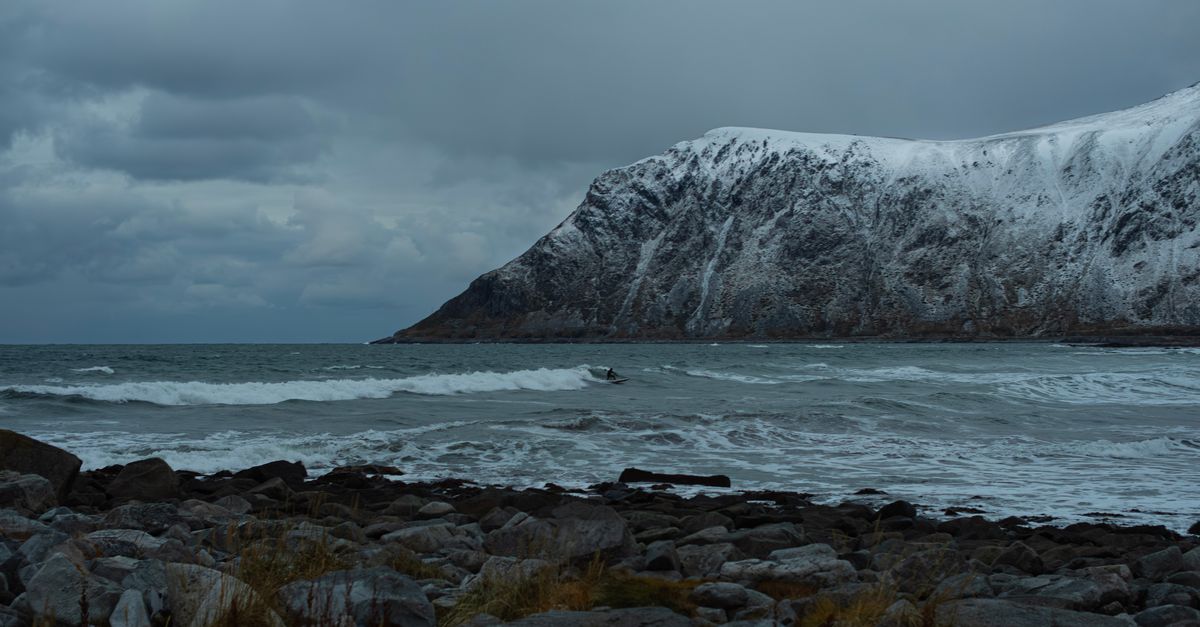
Travel and trade across the Norway‑Russia border in Finnmark have sharply declined since Russia’s full‑scale invasion of Ukraine in February 2022, affecting the Sámi way of life.
For generations Sea Sámi families have fished the waters of the Neiden Fjord, but the 1826 border that split Sápmi now imposes daily bureaucracy. A Norwegian‑Russian agreement once allowed visa‑free travel for residents within 30 km of the frontier, enabling cross‑border shopping, tourism and cultural exchange.
Since the war began, security has tightened. Russian operatives have been caught in Kirkenes posing as tourists, and a local businessman was arrested in June on alleged weapons charges, prompting fear among hunters who worry about unintentionally crossing the border with ammunition.
Tourism has also suffered. Russian visitor numbers fell from 250,000 in 2019 to 52,000 last year, leaving many shops in the border region with reduced income and some forced to close. One local tourism firm now relies on 80 percent of customers from Asia or Finland.
Despite the challenges, the Sámi community continues to navigate reindeer herding, language revitalisation and hunting through permits and regulations, but the fragmentation of cross‑border ties is seen as a threat to both the regional economy and Sámi cultural cohesion.
Source: Al Jazeera. Photo: stein egil liland / Pexels.
European diplomats refused to pose for the scheduled “family photo” with Russia’s Foreign Minister Sergei Lavrov at the G20…

Intel’s share price fell almost 24 % in pre‑market trading on 30 October after the chipmaker issued a weaker‑than‑expected fourth‑quarter…
Toronto police are searching for three suspects after a home invasion in the city’s affluent Bridle Path neighbourhood…

A 52‑year‑old man, Hasan Ali Gori, has pleaded not guilty to the murder of 89‑year‑old Josephine “Josie” Ray,…

A 65‑year‑old man has been charged with the attempted murder of Dr Kevin Kilbride following a stabbing at…
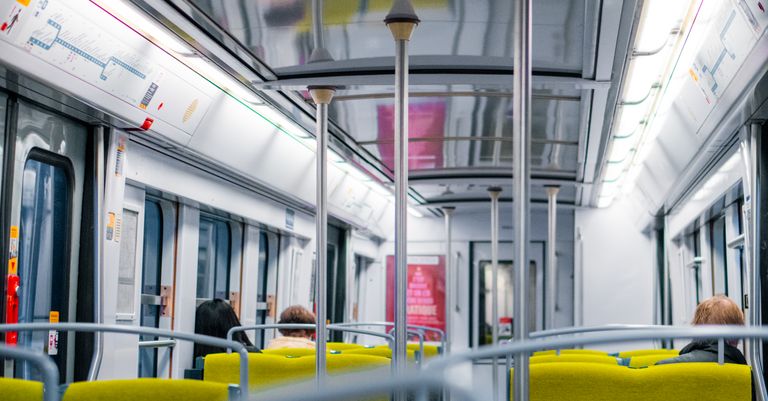
Limerick-based train driver Jacqueline McMahon has been awarded the Driver Excellence Award at Iarnród Éireann’s annual Customer Experience Excellence Awards.…
A Government‑appointed group has been asked to help resolve the public sector pay dispute after negotiations reached an…