
Entertainment
Clinical sexologist warns rom‑coms give poor relationship advice
Emily Power Smith, a clinical sexologist and psychosexual therapist, told The Moncrieff Show that using romantic comedies or pornography…

Eve Butterwick, a 38‑year‑old occupational therapist, says she felt she was failing as a mother long before her first child was born because of severe hyperemesis gravidarum (HG).
Butterwick, originally from Cork and then living in London, became pregnant in 2020 during the height of Covid‑19. Early in the pregnancy she experienced extreme nausea that progressed to vomiting so violently at 30 weeks that she ripped the lining of her throat. Only then was she diagnosed with HG, a condition that Hyperemesis Ireland says affects up to 3 % of pregnant women and leads to about 3 000 hospitalisations in Ireland each year.
Her first son, Zac, was born at full term weighing 2.7 kg and struggled to gain weight. After moving to Dublin in 2022, Butterwick became pregnant again. She was prescribed medication such as Cariban and was referred to the Iris Clinic at the National Maternity Hospital, but faced delays in treatment as her GP was reluctant to prescribe medication and she waited months for an appointment.
During the second pregnancy she required multiple hospital admissions for IV fluids, anti‑emetics and vitamins, a feeding tube at 30 weeks, and later developed refeeding syndrome and aspiration pneumonia. The vomiting finally ceased after the birth of her second son, Luke, at full term weighing 2.4 kg.
On 23 October new clinical guidelines containing 40 recommendations for GPs and maternity professionals were published to improve early diagnosis and treatment of HG. Hyperemesis Ireland welcomed the guidelines, saying they could reduce hospitalisations and complications for women and their babies.
Source: Irish Examiner. Photo: supplier gorden ready stok minimalis / Pexels.
Emily Power Smith, a clinical sexologist and psychosexual therapist, told The Moncrieff Show that using romantic comedies or pornography…

Health Minister Jennifer Carroll MacNeill said she would have no hesitation recommending Cork University Hospital (CUH) to a sick…
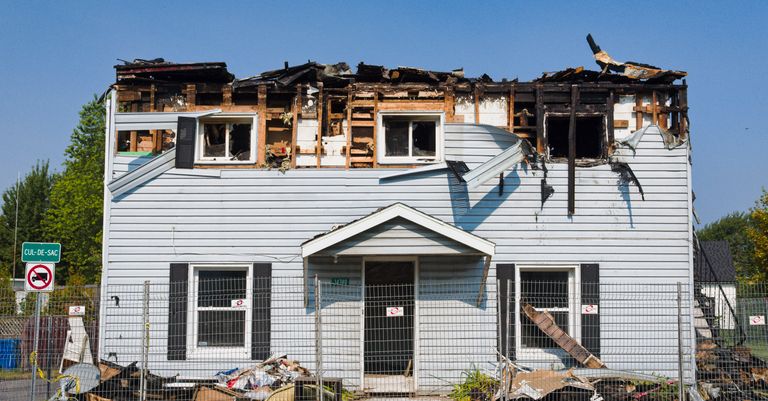
A six‑year‑old child who was critically injured in the fire that destroyed a home on Birchwood estate in…

Independent councillor Ursula Gavan has called on Limerick City and County Council to prioritise a pedestrian walkway from…

Washington has announced the creation of “Task Force Iron Gate”, a unit aimed at disrupting Iran’s land and…

A man charged with possessing a knife in Bundoran will have his case dealt with summarily in Ballyshannon…

UFC chief Dana White has said he will meet President Donald Trump after the US leader urged him…