Business
Housing minister orders review of online bidding portals
Housing Minister James Browne has instructed his department to review online bidding portals used by some estate agents,…

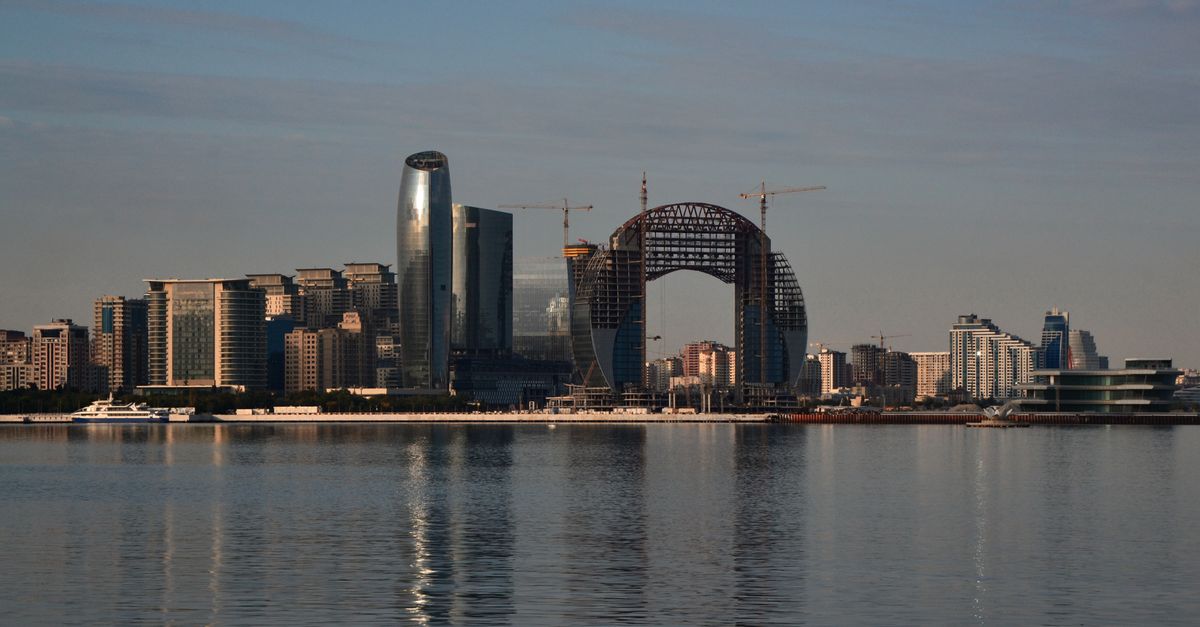
Iran is turning to its northern coast on the Caspian Sea to export oil and import essential goods after a United States naval blockade has closed its southern ports.
Tehran hopes the Caspian Sea, shared with Russia, Azerbaijan, Kazakhstan and Turkmenistan, can serve as an alternative gateway, but experts warn of significant logistical hurdles. Water levels in the land‑locked sea have fallen by about 2 metres since the 1990s, with recent measurements showing a drop of more than 20 cm per year, according to the Iranian Department of Environment’s coastal office.
Reduced depths have forced Iran’s northern ports to cut the maximum vessel size they can accommodate from 6,000 tonnes to 4,000 tonnes. Ships entering via Russia’s Volga River have occasionally become stranded, though the ports themselves have not yet experienced such incidents.
Land‑border congestion is also rising. At the Norduz crossing with Armenia, up to 1,800 trucks have been reported queuing for days, while other terminals see wait times of 10‑15 days. Limited terminal capacity, customs procedures and road infrastructure, compounded by sanctions on Iranian airlines, are adding to the strain.
Rail links through the eastern Caspian connect Iran to Turkmenistan, Kazakhstan and China, but historic routes to the South Caucasus remain closed, pending broader regional peace processes.
Source: Al Jazeera. Photo: Nazila Azimzada / Pexels.
Housing Minister James Browne has instructed his department to review online bidding portals used by some estate agents,…

Smarttech247 CEO Raluca Saceanu warned on The Pat Kenny Show that artificial intelligence is increasingly being used to…

Limerick researchers have called for the Sugar Sweetened Drinks Tax (SSDT) to be extended to cover confectionery, sweets…
A motorist was taken to hospital following a three‑car road traffic collision on the N15 in Lifford just…

Caitríona Redmond, an Irish writer who covers food, budgeting and consumer issues, argues that a digital device is…
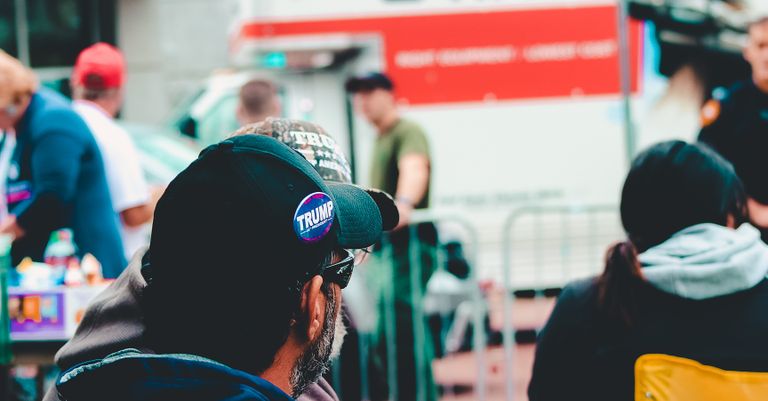
President Donald Trump will travel to Ohio on Saturday to campaign for Republican Senate candidate Jon Husted. The…
Protesters who blockaded the Garvaghy Road in Portadown have largely dispersed after Breandán Mac Cionnaith of the Garvaghy Road Residents’…