
Health
Experts call for manosphere to be treated as public health issue
Researchers in a new Lancet report argue that the online “manosphere” should be addressed as a public health…

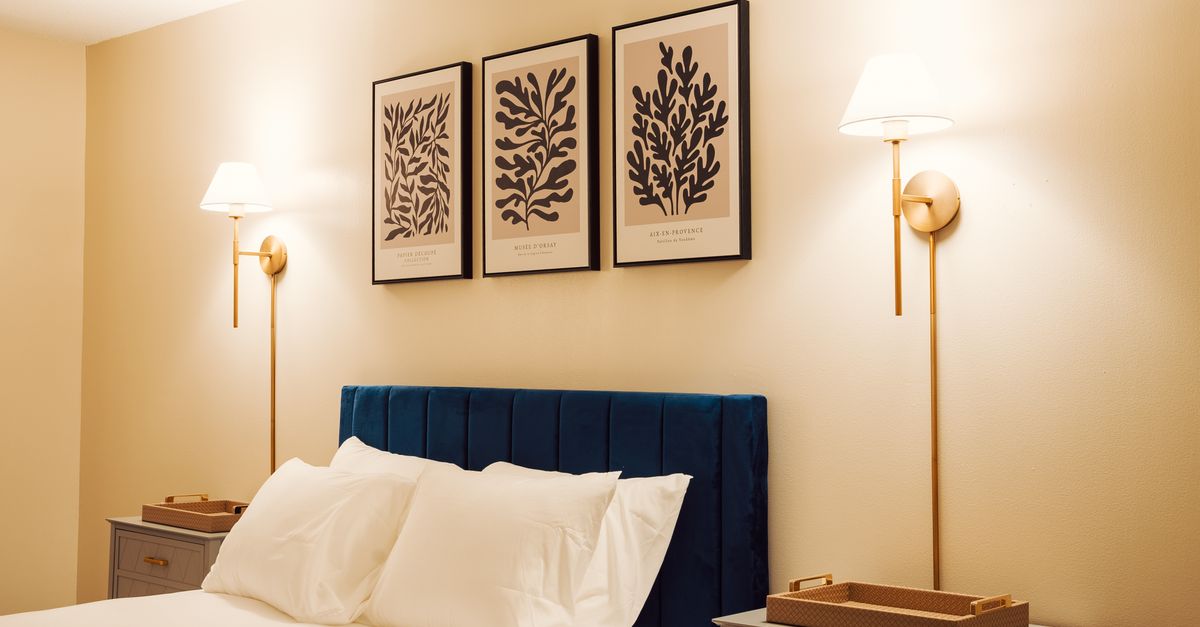
Professor Michelle Spear of the University of Bristol explains that the brain, not ghosts, is responsible for many frightening sensations that occur at night.
When people awaken to a thud, creaking floorboard or the feeling that they are not alone, the brain’s transition from wakefulness to sleep can create misleading sensory experiences. The shift is not a simple “switch‑off” but a gradual change in sensory processing, muscle activity and awareness, which can sometimes overlap.
One common phenomenon is the hypnic jerk, also known as a sleep start, where an involuntary muscle contraction occurs as a person enters the earliest stages of sleep. Similar hypnagogic experiences may involve vivid sounds, images or sensations, such as hearing footsteps or seeing a figure just before falling asleep.
Exploding head syndrome, another harmless condition, causes a sudden perception of a loud noise like an explosion or gunshot as a person falls asleep or wakes, despite no external sound being present. This illustrates that the brain can generate auditory experiences without external input.
Sleep paralysis, occurring during rapid eye movement (REM) sleep, results from the brain’s REM atonia persisting while waking awareness returns, leaving a person conscious but unable to move, often accompanied by the sensation that someone else is in the room.
These findings highlight how the brain’s source‑monitoring processes can misattribute internally generated thoughts or sensations to external origins, especially around the sleep‑wake boundary.
Source: Silicon Republic. Photo: Raphael Loquellano / Pexels.
Researchers in a new Lancet report argue that the online “manosphere” should be addressed as a public health…

A former takeaway unit at the Limerick Milk Market has been converted into the Rising Together Training Centre…
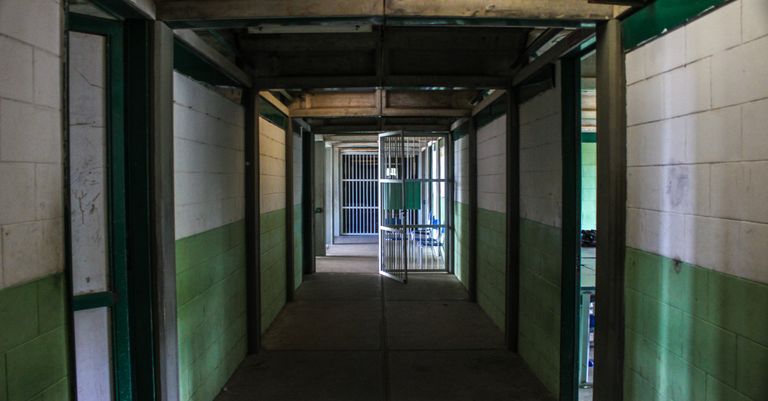
A prison watchdog has said it is unacceptable that only one nurse was on duty at Mountjoy Prison…

Donegal will travel to Castlebar to meet All‑Ireland champions Mayo in the opening fixture of Division 1 of the…

BBC Verify visited an election centre in Maryland to observe how mail‑in ballots are processed and counted ahead…

Muireann Bradley, a 19‑year‑old singer from Ballybofey, Donegal, has become the youngest female artist in 22 years to…

Donegal can expect mostly dry conditions on Halloween, with only patchy rain expected in parts of the province.…